Why Raspberry Pi can react differently in volatile markets
20. February 2026 | Planegg
In tense markets, it quickly becomes apparent which platforms only supply individual components—and which are prepared to take responsibility for the entire system lifecycle.
Raspberry Pi has been pursuing a consistent full-stack approach for years:
Hardware, firmware, operating system, kernel, drivers, and development tools are developed, maintained, and coordinated together. This depth is not an end in itself—in the current market situation, it becomes a real strategic advantage.
Rising memory prices cannot be solved through purchasing or short-term measures alone.
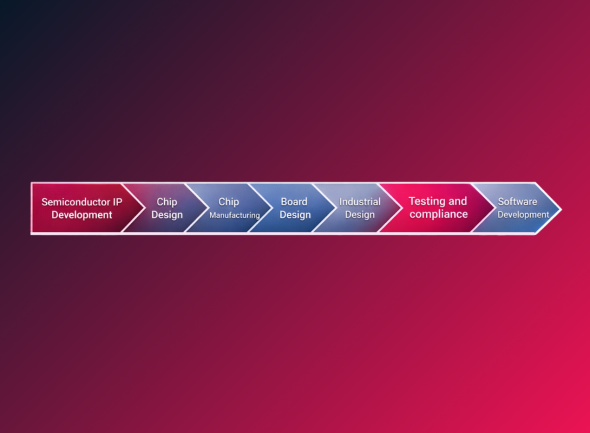
The decisive factor is whether a platform is capable of
- Further developing hardware variants in a targeted manner
- Designing flexible memory architectures
- Optimizing the operating system and kernel in a resource-efficient manner
- Clearly documenting changes and securing them for the long term
Raspberry Pi can address these levels in parallel. New memory chips are qualified, board revisions are further developed, and software is specifically adapted so that existing applications continue to run stably—even across multiple hardware generations.
For OEMs, this means that:
Not every market change forces a platform change or a complete redesign. Adjustments can be implemented within the existing platform—in a structured, plannable manner and with a clear perspective.
In volatile markets, it is not the individual component that decides, but the depth of development possibilities, the continuity of the platform – and the clear will to keep systems operable and developable in the long term.
Astradis supports customers in making this depth of development concretely usable: through technical classification, platform consulting, and resilient transition strategies between hardware and software revisions. Please feel free to contact us via e-mail.