Why operating systems and kernels are crucial in volatile markets
27. February 2026 | Planegg
When people talk about rising memory prices, they often focus on hardware first.
However, this view falls short when it comes to industrial systems.
At least as important is the question of how efficiently a platform uses available resources—and how quickly it can be adapted to changing conditions on the software side.
For years, Raspberry Pi has been continuously investing in:
- optimizing the operating system
- close integration of kernel and drivers
- clear, documented interfaces between hardware and software
This work makes it possible to specifically reduce the real memory requirements of many applications, bundle functions, or deliberately stagger them – without fundamentally changing existing systems.
This is a significant advantage, especially in tight markets:
Software and kernel adjustments create leeway where hardware is limited in the short term.
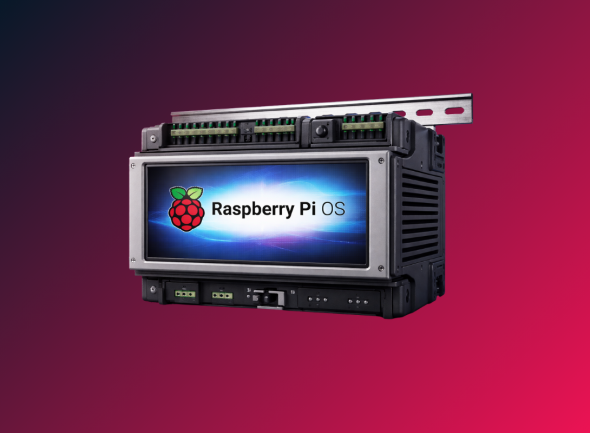
For OEMs, this means:
- less dependence on individual memory sizes
- more flexibility in the selection of hardware variants
- stable further development of existing systems over several product generations
Astradis supports customers in sensibly classifying and implementing these possibilities – from evaluating actual resource requirements to selecting stable OS baselines for industrial operation. Please feel free to contact us via e-mail.
In volatile markets, it is not only the available hardware that matters, but also the platform's ability to actively develop software and system architecture.